

We’ve all had those days, heck even those weeks. When things just feel a little bit unstuck. You didn’t sleep the best, it’s raining, you got a reminder of that ex and to top it all off you missed the bus. Grey tinged days (inside, and out) are a normal part of life and part of our everyday emotional spectrum. The world we live in can be an increasingly stressful one, however, and whether it’s that missed bus, a breakup, a less than glowing report from the boss or something more, there are times we really feel it.
\While downtimes in many ways unite us all, an important question is how ‘normal’ is a down day now and then, and when do struggles with our mood signal something more?
Mood is defined in medicine as a more baseline sense of how we’re feeling emotionally. In comparison to briefer emotions that can change within seconds or minutes, our mood comes to frame a longer-term (hours, days or more) sense of how we’re feeling overall. Across any one day, you’ll be used to feeling a range of emotions depending on what you move through, but at a broader level, our mood exists as the more stable ‘background’ part of our emotional barometer. It’s thus important we stop and take stock of how we’re feeling overall emotionally, and how this settles at baseline across the days and weeks.
On a bad day, it’s understandable and very much a normal part of life to feel our emotions shift toward the lower range. Setbacks, stressors, disappointments or frustrations with THAT colleague, can all contribute to shorter-term dips in our emotions. More significantly stressful or challenging events like loss, breakups, new jobs or moving countries can all bring with them a normal level of feeling low too, and these experiences might push this feeling out to days and even weeks.
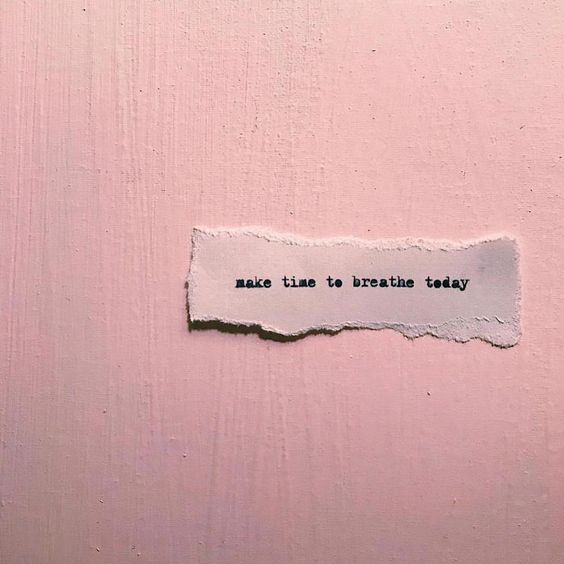
Depression however is wholly different from a bad day, or even a rocky week. In depression we see the overall mood begin to change, and remain that way. In a classical depression this low locks into the extent that mood and emotion don’t respond or swing back up toward the positive in relation to the usual things around us. The world, in essence, loses colour. Emotions lie locked within the low and depressed range of expression, and/or we lose any sense of reaction to or enjoyment in the activities we used to.
As a society, we’re more aware than ever before of depression and (broadly speaking) what that means. Technically, however, clinical depression is at least 2 weeks of significantly low mood OR a clear loss of enjoyment in once pleasurable activities. Alongside, depression often causes a clear and powerful shift in other parts to our mental and physical health that a bad day or a stressful week is less likely to touch longer term. Significant changes in sleep, changes in appetite, low energy, drop-offs in concentration, guilt/shame or thoughts of no longer wanting to live can all be features of depression. For diagnosis, a specific number of these features are present for a specific amount of time, and they’re severe enough to cause us real distress or impact on our ability to function as we would normally. Less common forms of depression might include features such as significant fears of rejection, irritability/anger, or slowness in speech or movement. The key is that the change is severe enough to start changing how we feel and engage in everyday life, and it sticks around.
It’s important we remember that bad days, and feeling low from time to time, are a normal part of life. During these times (particularly when we’re triggered by stressful events, significant change, disappointments or everyday frustrations) it’s important to keep this in mind – acknowledge the emotion, and remind yourself it’s ok. Feeling low or anxious at times doesn’t necessarily mean there’s something wrong. It means you’re human. Seek out some time with a close friend or family member to talk things through, exercise, prioritise your sleep or do something you enjoy giving your mood arise.
What’s more vital still, however, is remembering to be aware when things are lower for the longer term. Significantly low mood that fails to improve with time, and is joined by some or all of the depressive symptoms we’ve outlined are always a signal to reach out for help. Depression, just like emotion in general, is something that unites us all, but different to a bad day or week it represents a medical condition that needs support and treatment. If you’ve noticed that grey tinge colouring your world for too long, or too significantly, then it’s time to acknowledge it might be more than a stressful week. Missed bus or not, rain or shine – there’s zero shame in getting help, and we need to remember that most of all. Bad days and depression both unite us, but so too is reaching out and getting help to move through those dark days.
connect with Kieran:

Click here to find out more about Dr Kieran + watch this space for more of his posts, +
check him out, and connect with him here:
www.drkierankennedy.com
instagram@drkierankennedy
facebook.com/drkierankennedy/
{Pic: Pinterest}



follow us here {thanks!}
join followers join followers